Custom school uniforms are about much more than choosing colors and fabric. A well-planned uniform affects student comfort, school identity, durability and consistency throughout the academic year. This guide explains how custom school uniforms are designed and manufactured, how to choose suitable fabrics and sizes, when to approve a sample, and what schools should confirm before bulk production begins.
What Are Custom School Uniforms?
Custom school uniforms are designed specifically around a school’s identity and requirements instead of being selected from a limited range of ready-made garments.
- School colors.
- Garment styles.
- Fabric specifications.
- Size ranges.
- Printed or embroidered logos.
- Summer and winter options.
- PE and sportswear.
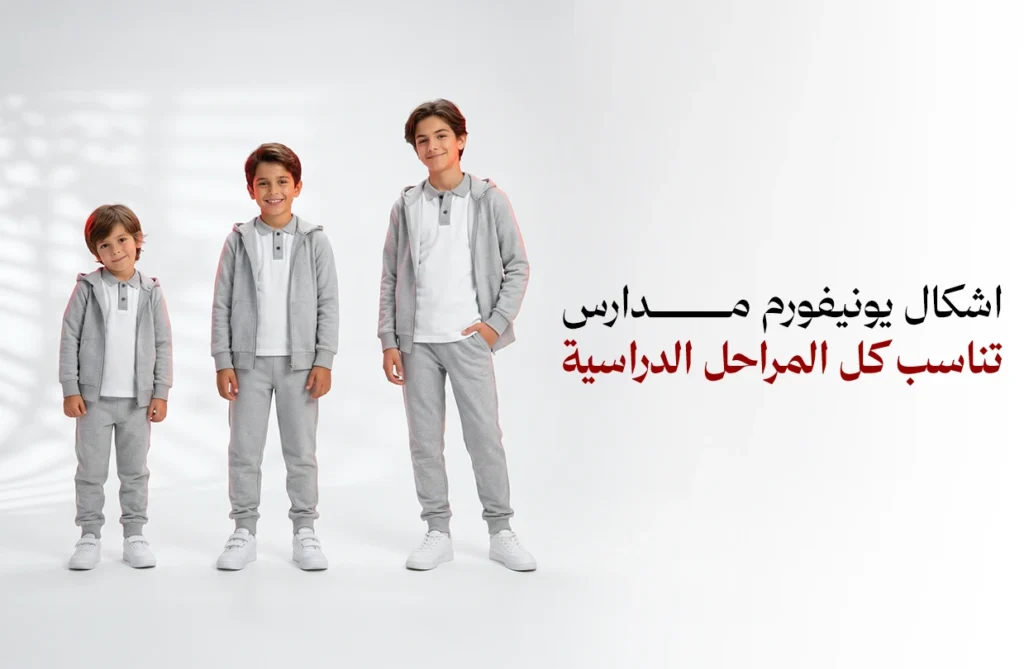
- Different garments for different school stages.
Custom vs Ready-Made School Uniforms
| Area | Custom Uniforms | Ready-Made Uniforms |
|---|---|---|
| Design | Created around the school identity | Limited existing styles |
| Colors | Specific colors can be approved | Depends on available stock |
| Sizing | A wider size range can be produced | Limited to stocked sizes |
| Logo | Added during manufacturing | Often added later |
| Fabric | Selected before production | Determined by the existing product |
| Quantity | Suitable for planned bulk orders | Useful for immediate requirements |
When Does a School Need a Custom Uniform Design?
- A new school is establishing its visual identity.
- The school is updating its branding.
- Existing uniforms have fabric or sizing problems.
- Students need a more practical design.
- Summer, winter and PE uniforms need one consistent identity.
- The school needs reliable repeat production in future seasons.
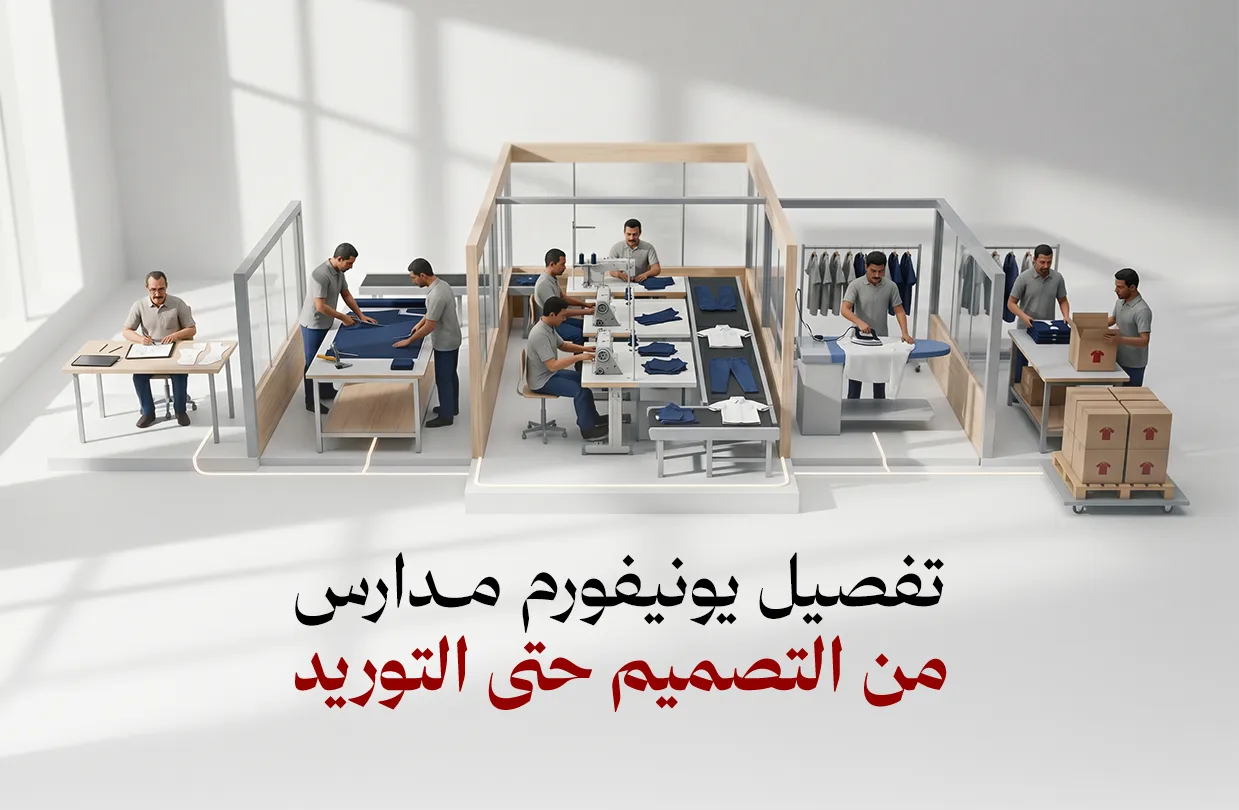
How Are Custom School Uniforms Manufactured?
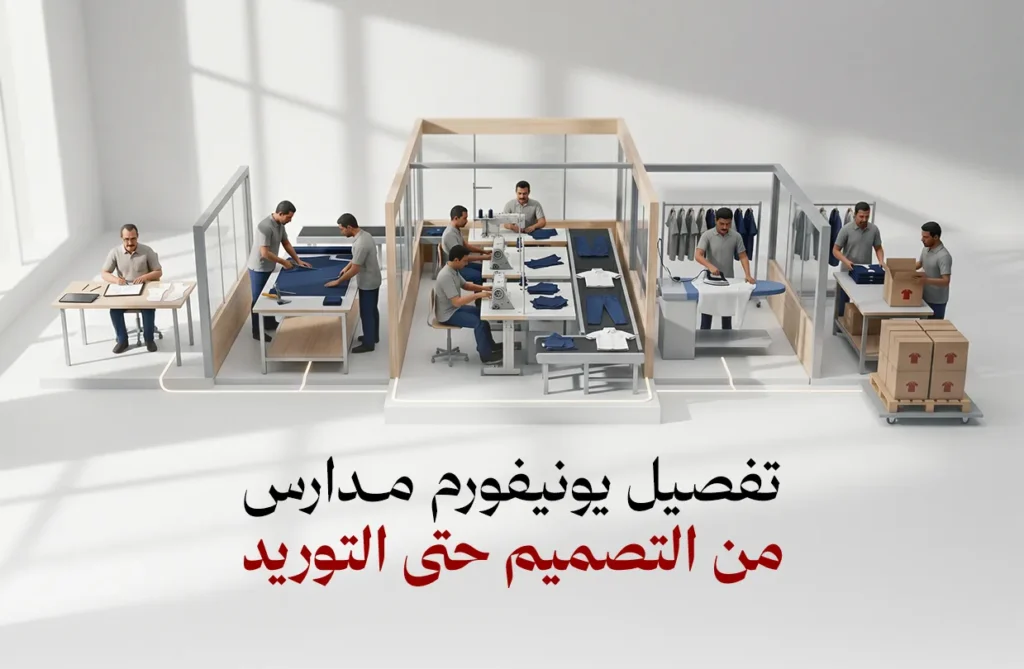
1. Define the Required Garments
The school determines which pieces are required for each student group, such as shirts, polos, trousers, skirts, jackets or sportswear.
2. Select Colors and Fabrics
Colors are matched to the school’s identity, while fabrics are chosen according to comfort, climate, durability and care requirements.
3. Develop the Design
The garment style, collar, sleeves, color placement and logo position are agreed before manufacturing.
4. Establish the Size Range
A size chart is prepared for the relevant age groups and garment types.
5. Produce a Sample
A pre-production sample allows the school to evaluate fit, fabric, color, logo execution, stitching and overall appearance.
6. Approve the Final Specifications
Any required adjustments should be completed before bulk manufacturing begins.
7. Production and Quality Control
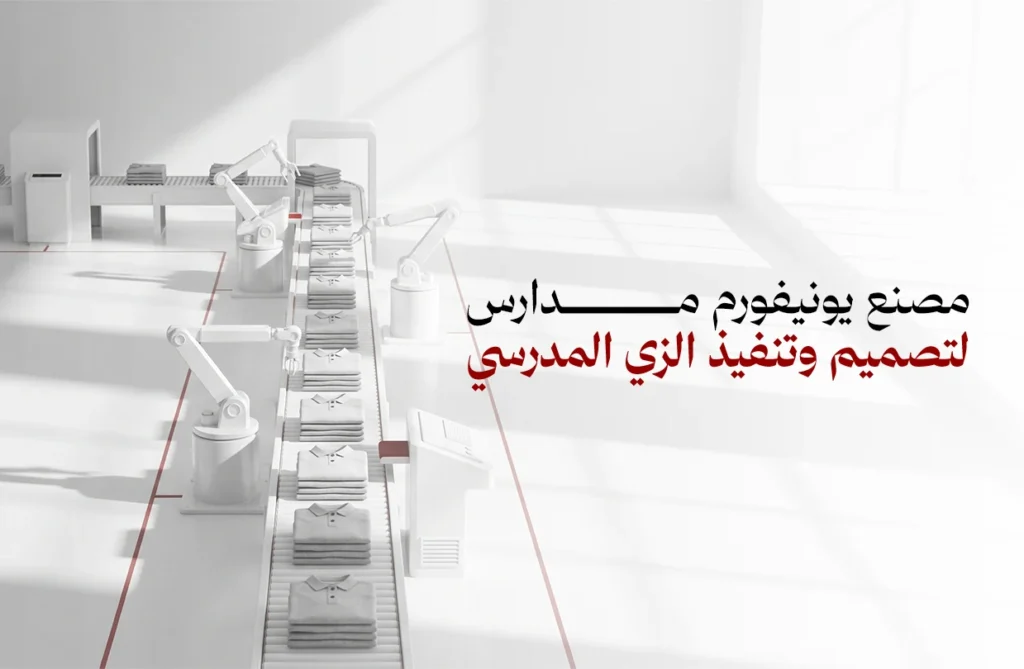
After approval, garments move through cutting, sewing, logo application, inspection, packaging and delivery.
If your school is still evaluating suppliers, read our guide on
how to choose a reliable school uniform manufacturer
.
What Garments Can Be Included in a School Uniform?
- Polo shirts.
- Formal shirts.
- T-shirts.
- Trousers.
- Skirts.
- Dresses or pinafores.
- Sweatshirts.
- Cardigans.
- Sweaters.
- Jackets.
- PE uniforms.
- Kindergarten uniforms.
How Should Schools Choose Uniform Fabrics?
A school uniform fabric needs to perform well during regular use, not only look good when it is new.
- Softness against the skin.
- Breathability.
- Durability.
- Colorfastness.
- Ease of washing.
- Ease of ironing.
- Wrinkle resistance.
- Suitability for the local climate.
- Freedom of movement.
How Should School Uniform Sizes Be Planned?
- Use a clear size chart.
- Provide fitting samples where possible.
- Avoid using age as the only sizing method.
- Check relevant garment measurements.
- Allow enough room for comfortable movement.
- Plan different ranges for different school stages.
- Establish a process for special sizes.
Embroidery vs Printing for School Logos
| Area | Embroidery | Printing |
|---|---|---|
| Appearance | Structured and premium | Light and flexible |
| Durability | Generally very strong | Depends on the printing method |
| Cost | Usually higher | Often lower |
| Best use | Shirts, jackets and knitwear | T-shirts and sportswear |
| Complex artwork | Depends on logo design | Flexible for detailed artwork |
What Should Be Confirmed Before Bulk Production?
- Total quantities.
- Size distribution.
- Garments per student.
- Fabric specifications.
- Approved colors.
- Final design.
- Logo method and placement.
- Production timeline.
- Delivery date.
- Packaging requirements.
- Sample approval.
- Exchange or alteration policy.
- Final pricing.
Common Custom School Uniform Mistakes
- Choosing fabric based only on price.
- Starting production without an approved sample.
- Using age as the only sizing method.
- Failing to test the logo on the selected fabric.
- Choosing an attractive but impractical design.
- Using colors that are difficult to maintain.
- Leaving the delivery schedule unclear.
- Failing to document final specifications.
- Creating a design that is difficult to reproduce later.
Choosing the Right School Uniform Style
A successful uniform should balance appearance, comfort, practicality and reliable repeat production.
For ideas on colors, boys’ and girls’ styles, modern uniforms and age-specific options, read our guide to
school uniform designs
.
Conclusion
Successful custom school uniforms start with clear school requirements, followed by thoughtful design, fabric selection, sizing and sample approval. The goal is not only to create an attractive uniform. It should also be comfortable, durable, practical and repeatable across future production runs.
Explore
Toli Uniform’s school uniform services
for design, manufacturing and supply solutions.
Frequently Asked Questions
Can different size ranges be produced for different school stages?
Should a size chart be approved before production?
How long does school uniform production take?
Can schools approve a sample before the full order?
Can the design be changed after sample approval?
Can summer and winter uniforms use the same school identity?
Create a Uniform That Reflects Your School
The Toli Uniform team can support your school with design, fabrics, sizing, production and supply.